Federal Budget 2026-27: What you need to know
Written and accurate as at: May 12, 2026 Current Stats & Facts
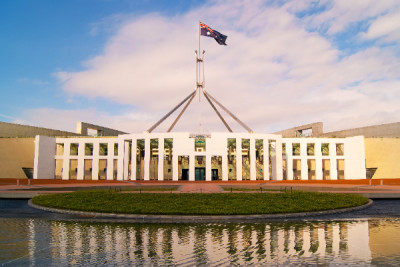
Federal Treasurer Jim Chalmers delivered the 2026-27 Federal Budget on Tuesday night, and there’s a lot to unpack.
Whatever the government may have sketched out following its 2025 election win, the war in Iran and ensuing global energy shock have no doubt forced some late-stage recalibration.
The result is a Budget that hits some expected cost-of-living notes, ventures into more politically ambitious territory on tax reform, and ultimately reflects a government navigating a far more volatile world than it anticipated just five months ago.
In this Budget wrap-up, we take a look at some of the biggest proposals and what they might mean for you and your family.
Negative gearing and the CGT discount
Much of the speculation ahead of the Budget centred on two of Australian politics’ perennial third rails: negative gearing and the capital gains tax discount. The main question was how far the Government was willing to go.
The answer, it turns out, is much further than many Australians expected. With concerns around housing affordability and intergenerational inequality reaching a fever pitch over the last few years, the Albanese government intends to:
- Replace the 50% capital gains tax discount from 1 July 2027 with the pre-1999 system, under which inflation-adjusted gains would be taxed, as well as apply a minimum 30% tax rate. Assets purchased after Budget night would remain eligible for the 50% discount on gains accrued before mid-2027.
- Limit negative gearing to newly built properties, with the caveat that it will be grandfathered for existing investors whose properties are already negatively geared. Investors who purchase established residential properties after Budget night will, from 1 July 2027, only be able to offset losses against residential property income or capital gains.
The proposed changes have been framed as an attempt to rebalance incentives, which critics of the current system argue favour property investors over owner-occupiers and put first home buyers in particular on the back foot.
Importantly, the return to CGT indexation won’t just apply to real estate – all asset classes, including shares and managed funds, will be subject to the new tax regime.
Ensuring fuel security
In the months since the breakout of war in Iran, and with no evidence that oil flows through the Persian Gulf will return to pre-war levels, the Government has been scrambling for ways to keep fuel prices from ratcheting higher.
Earlier measures – cutting the fuel excise tax on petrol and diesel and working to secure new fuel sources – have helped keep costs at the bowser low. But this Budget unveils a raft of measures aimed at ensuring fuel security over the long-term. They include:
- $7.5 billion for the Fuel and Fertiliser Security Facility to support additional supply and storage.
- $3.2 billion to create a government-controlled fuel reserve, designed to store up to 1 billion litres of emergency diesel and jet fuel.
- Lifting Australia’s mandatory fuel stockpile requirements by 10 days.
Other tax changes
While the lightning rods of negative gearing and the CGT discount have commanded the bulk of attention, the taxation of trusts is also due for an overhaul. For the unfamiliar, trusts are legal structures which allow funds and assets to be held and managed by a trustee, with income distributed to beneficiaries at the trustee’s discretion.
The proposed changes would impose a minimum 30% tax rate on discretionary trust income from 1 July 2028, albeit with some exceptions.
The Government also intends to introduce a $1,000 instant tax deduction for work-related expenses from the 2026-27 financial year. This would mean workers who claim at or below the threshold won’t need to keep receipts or substantiate individual expenses, hopefully reducing paperwork for millions of taxpayers.
A $250 Working Australians Tax Offset will also be made available to more than 13 million workers from 2027-28. Combined with the three previously legislated tax cuts and the proposed $1,000 instant deduction, the Government says the average worker could receive total tax relief of up to $2,816 per year.
Right-sizing the NDIS
The NDIS has been in the spotlight as of late, attracting scrutiny for its alleged bloat and misconduct by unregistered providers. Health Minister Mark Butler has even warned that the scheme’s rapid expansion has left it vulnerable to exploitation by criminal elements.
The Budget outlines a number of reforms for the scheme, including around how eligibility is determined. Rather than relying primarily on diagnosis, future assessments will focus more on how a person’s condition affects their day-to-day living.
Rules around plan reassessments and what constitutes reasonable and necessary supports will also be tightened, and provider oversight and anti-fraud powers are due to be expanded. All told, the reforms are estimated to deliver savings of $37.8 billion over four years.
More affordable healthcare
The Government has also leaned heavily into healthcare, promising billions in new spending aimed at reducing out-of-pocket costs, improving access to GPs and easing pressure on the public hospital system.
Some of the major investments featured in the Budget include:
- $5.9 billion to add new medicines to the PBS, including treatments for cystic fibrosis, chronic kidney disease and various cancers.
- $25 billion in additional funding for public hospitals under a renewed National Health Reform Agreement, lifting total Commonwealth funding to a record $220.3 billion over five years.
- $1.8 billion to help expand and maintain Medicare Urgent Care Clinics. The Government says four in five Australians will live within a 20-minute drive of a clinic by mid-2026.
- $11.4 billion to incentivise bulk billing and lift the national GP bulk billing rate to 90% by 2030.
Housing
Alongside the proposed changes to negative gearing and CGT concessions, which the Government says could help an additional 75,000 Australians buy a home over the next decade, the Budget also includes new investments designed to boost housing supply and supporting infrastructure projects.
Key measures include:
- A new $2 billion Local Infrastructure Fund to help states, territories and local councils deliver enabling infrastructure such as roads, water, sewerage and power connections for new housing developments. The Government says the fund could support up to 65,000 homes over the decade.
- Additional funding for programs under the Homes for Australia plan, including support for first home buyers and community housing initiatives.
- $59.4 million in rent support to help at-risk young people aged 16 to 24 access community housing.
- An extension of the temporary ban on foreign investors purchasing established residential properties until 30 June 2029.
While the Budget lays out an ambitious policy agenda, it’s worth remembering that many of the proposed measures will still need to pass through Parliament, and may evolve further before they are ultimately implemented.